Service 02
Zinc-nickel plating
Alkaline zinc-nickel alloy with high corrosion resistance for underbody parts, tubes, shafts and hubs — nickel content checked by XRF.
01Overview
Zinc-nickel plating deposits an alloy of zinc and nickel. It generally resists corrosion several times longer than plain zinc and holds up well when parts get hot, which makes it the finish of choice for underbody and engine-bay parts, tubes, shafts and hubs.
We run an alkaline zinc-nickel bath with trivalent passivations made for zinc-nickel — silver/blue, yellow and black. Plating and passivation tanks are dosed automatically, and our chemists analyse the plating baths every four hours to keep the alloy composition stable.
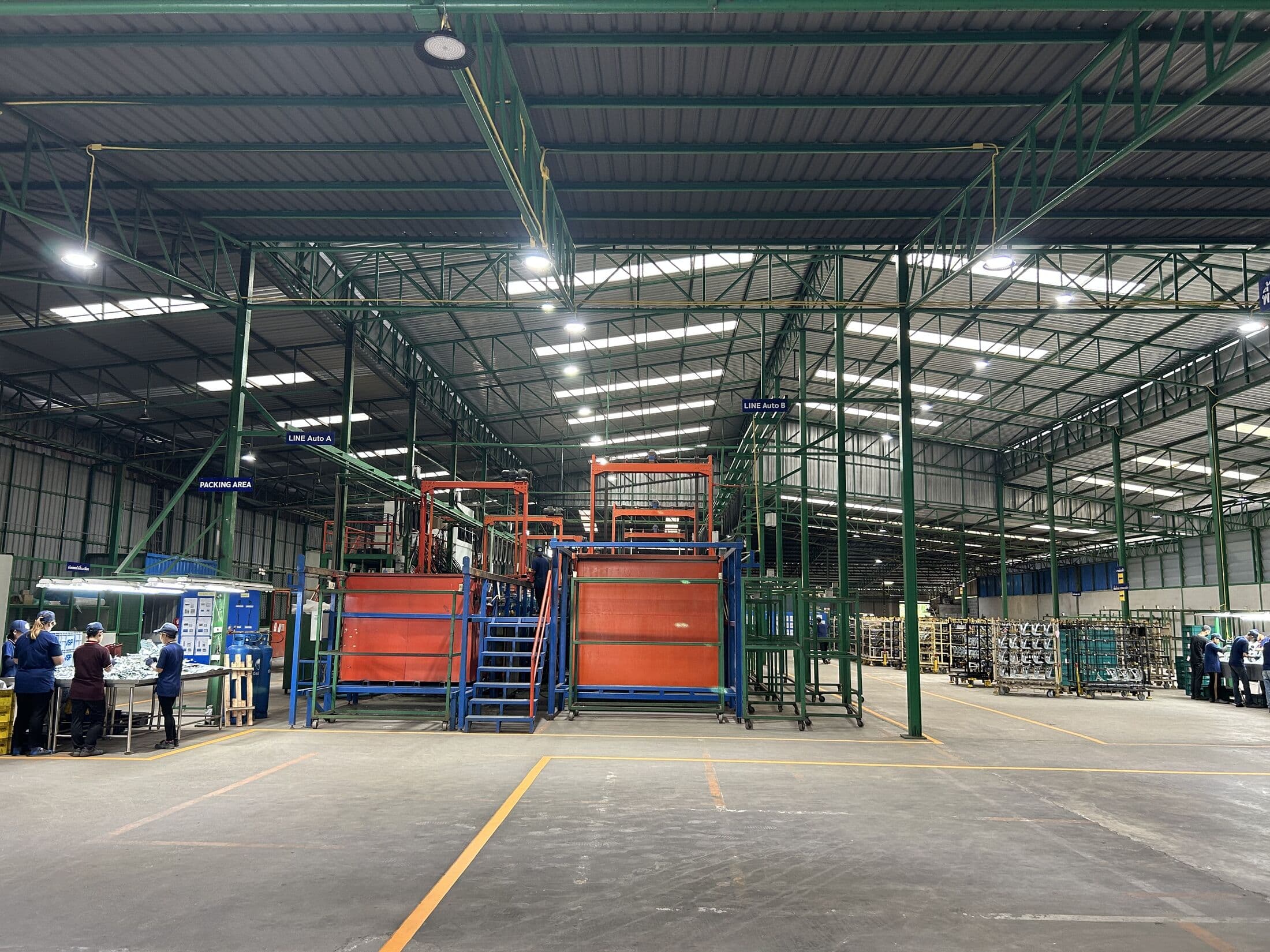
Line A is our main zinc-nickel line and Line B handles zinc-nickel for larger parts. Every lot is checked for thickness and nickel content by XRF.
- Bath
- Alkaline zinc-nickel
- Passivation
- Trivalent (Cr³⁺): silver/blue, yellow, black
- Thickness
- ≥ 5 to 12 µm to spec
- Inspection
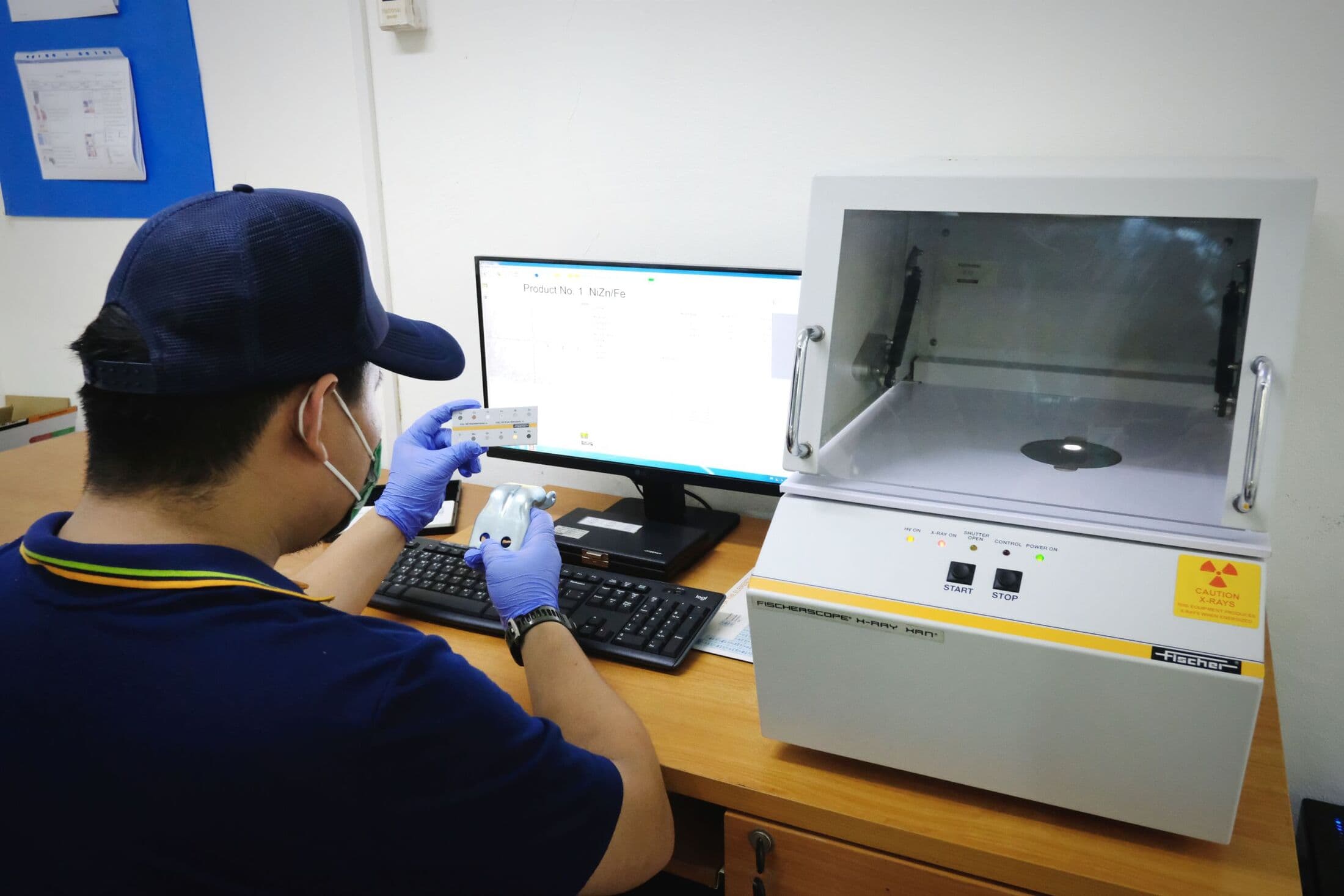
- XRF: thickness and nickel content
- Standard lead time
- 3 daysTo confirm
- Minimum order
- Data pending
02Finishes & specs
Finish codes and thicknesses we run — or to your specification
Finish codes in regular production — and we plate to your own specification. Salt-spray hours marked “to confirm” are read from the number in the code.
ZNS120
- Colour
- SilverTo confirm
- Salt spray
- 120 hTo confirm
- Thickness
- ≥ 6 µm
Bent tubes for Nissan
ZNS480
- Colour
- SilverTo confirm
- Salt spray
- 480 hTo confirm
- Thickness
- 8–12 µm
Shafts and hubs for Ford
ZNB480
- Colour
- BlackTo confirm
- Salt spray
- 480 hTo confirm
- Thickness
- 8–12 µm
Brackets and 4x4 accessory parts
Thickness to customer spec
Thickness ranges we routinely plate to customer specs (µm)
- ≥ 5
- ≥ 6
- 6–12
- 8–12
Every lot is measured at five points and recorded in the ERP before delivery.
03How it runs
Every step, receiving to delivery
Based on our QC process chart. ◇ marks a quality checkpoint.
- 01
Receive & set up
Inspect incoming parts, rack them and set the plating program for the part type
- 1Receiving
- 2Racking
- 3Program set-up
- 4Loading
- 02
Surface preparation
Degrease, pickle, electro-clean and activate — truly clean before plating
- 5Pre-soak clean
- 6Soak clean
- 9Pre-acid dip
- 10Acid dip
- 13Electro-cleaning
- 16Activation
+ water rinses × 8
- 03
Plating
Zinc-nickel plating with current controlled and logged by the PLC for every bar
- 19Zn-Ni plating
+ water rinses × 2
- 04
Passivate, seal & dry
Trivalent passivation, sealer, air blow and oven drying
- 22Passivation (silver/blue, yellow, black)
- 25Sealer
- 26Air blow
- 27Oven
- 28Unload
+ water rinses × 2
- 05
Inspection
QC check, packing, QA check and functional test before storage
- 29QC check
- 30Packing
- 31QA check
- 32Functional test
- 06
Store & deliver
Organised storage and delivery to plan
- 33Storage
- 34Transport
04Example parts
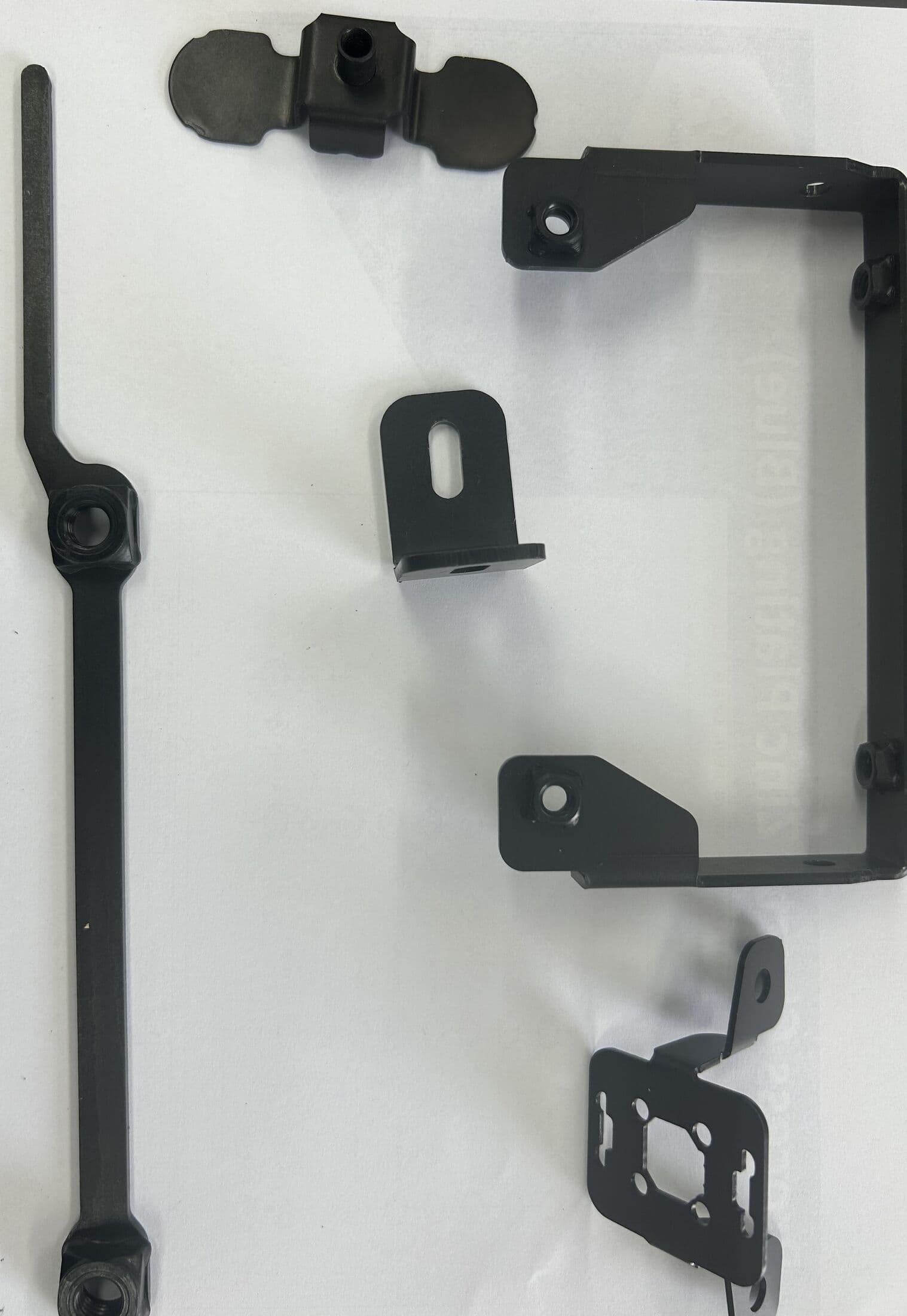
Parts we actually produce
Photos from our company profile — parts for OEM brands
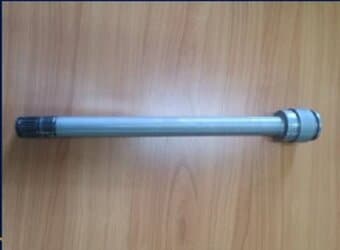 ZNS480
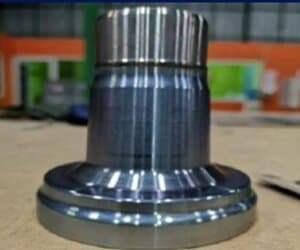 ZNS480
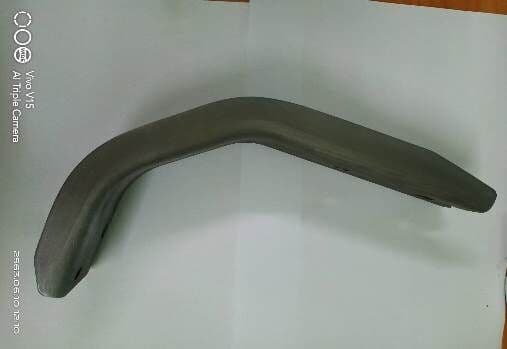 ZNS120
05Lines that run it
Line A
AutomaticLine B
AutomaticLine C: Data pending
06Quality checks
- Non-destructive XRF measurement of thickness and nickel content
- Five-point thickness on every lot, recorded in the ERP
- Salt spray testing for the hours the spec requires
- Heat quench test for adhesion and blistering
- Visual inspection and functional test before storage
07Gallery
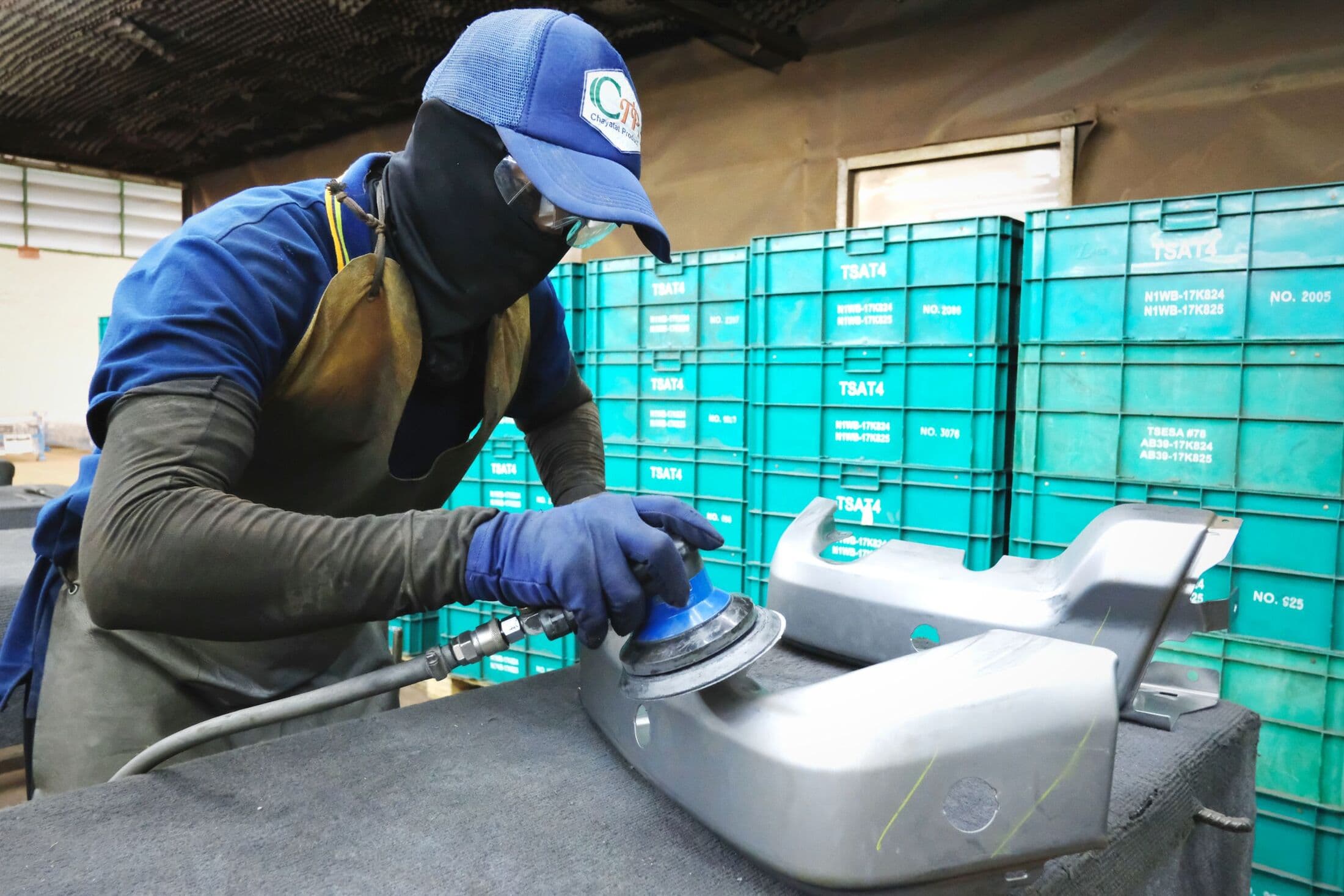
From our factory floor
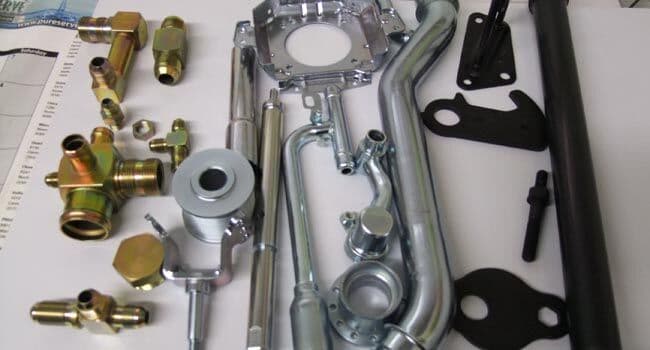 P-46 · interimP-47 · interim
 P-22 · interim
08FAQ
Zinc-nickel plating questions
Can’t find your answer? Send us your part spec and we’ll take a look.
Why choose zinc-nickel over plain zinc?
How do you check the nickel content?
Which passivation colours are available?
What is the largest part you can plate?
What is your lead time?
Start your plating project