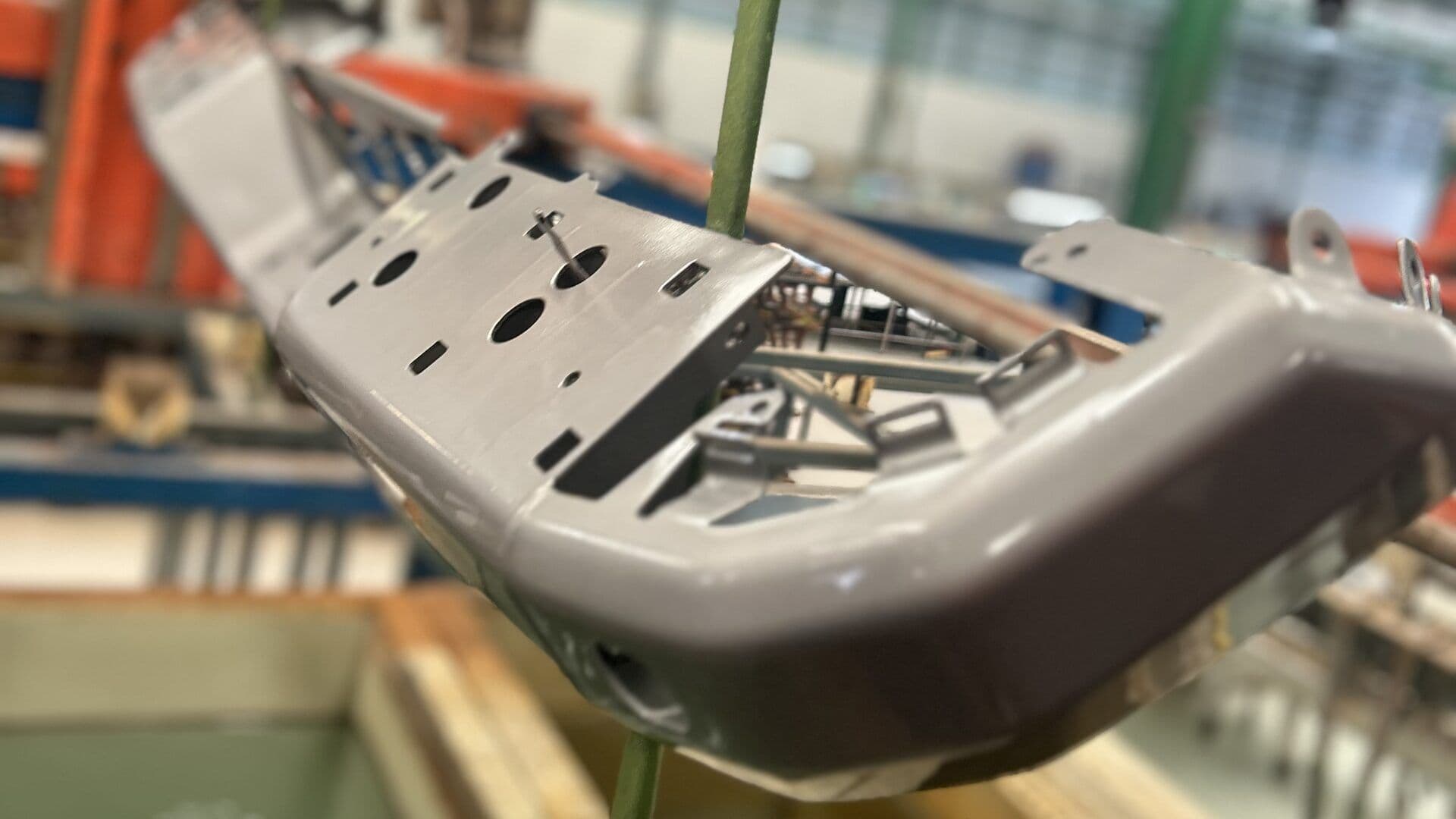
Service 01
Zinc plating
Non-cyanide alkaline zinc with trivalent passivation in silver/blue, yellow or black — cost-effective rust protection for automotive parts.
01Overview
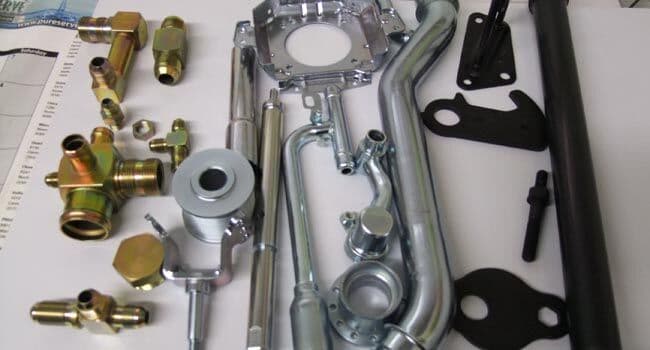
Zinc plating electro-deposits a layer of zinc on steel. The zinc corrodes sacrificially instead of the steel, giving effective rust protection at a sensible cost — ideal for brackets, wire rods, shafts, covers and general automotive metal parts.
We run a non-cyanide alkaline zinc bath, which builds an even coating even on complex shapes, followed by trivalent (Cr³⁺) passivation in the colour the spec calls for, a sealer and oven drying. Plating and passivation tanks are dosed automatically to keep the chemistry steady.
Zinc work runs on both automatic lines, Line A and Line B. Automatic hoists and per-part programs give every bar the same tank times and current, every time.
- Bath
- Non-cyanide alkaline zinc
- Passivation
- Trivalent (Cr³⁺): silver/blue, yellow, black
- Thickness
- 5–15 µm to spec
- Lines
- Line A & Line B (automatic)
- Standard lead time
- 3 daysTo confirm
- Minimum order
- Data pending
02Finishes & specs
Finish codes and thicknesses we run — or to your specification
Finish codes in regular production — and we plate to your own specification. Salt-spray hours marked “to confirm” are read from the number in the code.
ZTS120
- Colour
- Silver / blue (trivalent)To confirm
- Salt spray
- 120 hTo confirm
- Thickness
- 8–12 µm
Wire rods for Toyota and Isuzu
ZTY240
- Colour
- Iridescent yellow (trivalent)
- Salt spray
- 240 hTo confirm
- Thickness
- 8–12 µm
Brackets
ZTB240T
- Colour
- Black (trivalent)To confirm
- Salt spray
- 240 hTo confirm
- Thickness
- 8–12 µm
Automotive accessory parts
ZTNP
- Colour
- Clear (uncoloured)
- Salt spray
- 48 h
- Thickness
- 6–12 µm
Covers
Thickness to customer spec
Thickness ranges we routinely plate to customer specs (µm)
- 5–12
- 6–12
- 8–12
- 8–15
- ≥ 5
- ≥ 6
- ≥ 8
Every lot is measured at five points and recorded in the ERP before delivery.
03How it runs
Every step, receiving to delivery
Based on our QC process chart. ◇ marks a quality checkpoint.
- 01
Receive & set up
Inspect incoming parts, rack them and set the plating program for the part type
- 1Receiving
- 2Racking
- 3Program set-up
- 4Loading
- 02
Surface preparation
Degrease, pickle, electro-clean and activate — truly clean before plating
- 5Pre-soak clean
- 6Soak clean
- 9Pre-acid dip
- 10Acid dip
- 13Electro-cleaning
- 16Activation
+ water rinses × 8
- 03
Plating
Zinc-nickel plating with current controlled and logged by the PLC for every bar
- 19Zinc plating
+ water rinses × 2
- 04
Passivate, seal & dry
Trivalent passivation, sealer, air blow and oven drying
- 22Passivation (silver/blue, yellow, black)
- 25Sealer
- 26Air blow
- 27Oven
- 28Unload
+ water rinses × 2
- 05
Inspection
QC check, packing, QA check and functional test before storage
- 29QC check
- 30Packing
- 31QA check
- 32Functional test
- 06
Store & deliver
Organised storage and delivery to plan
- 33Storage
- 34Transport
04Example parts
Parts we actually produce
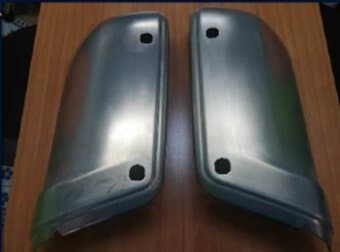
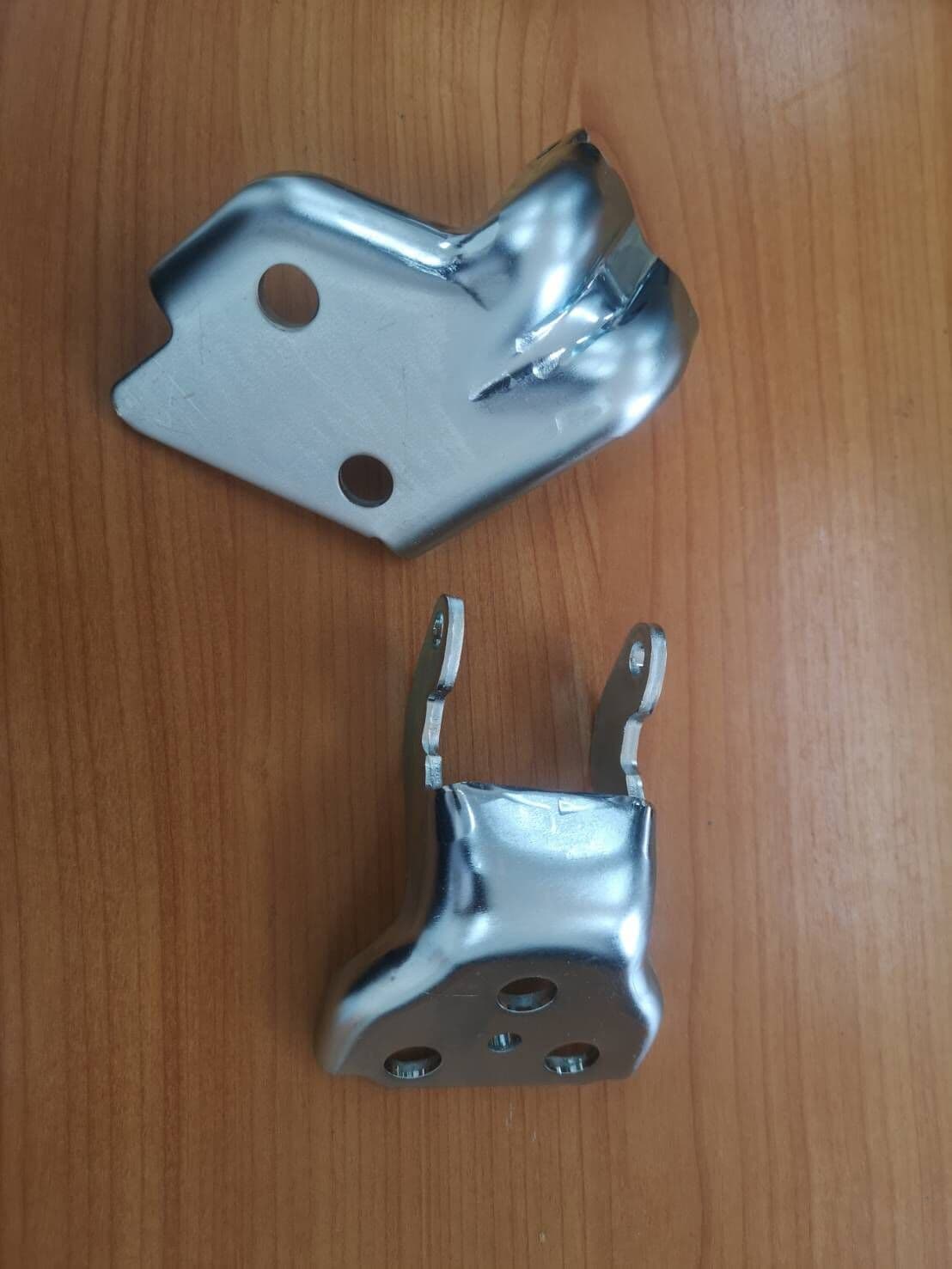
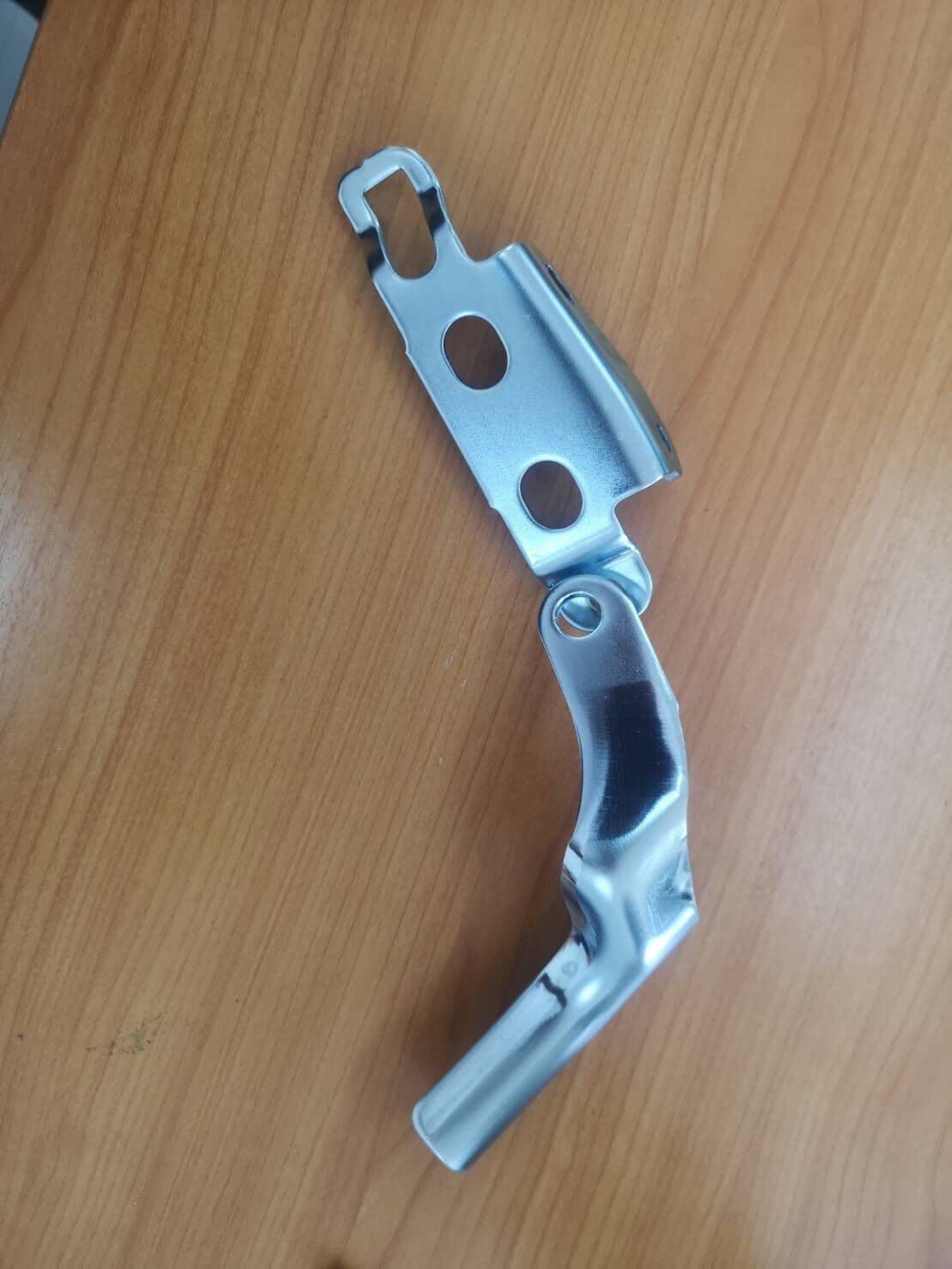
Photos from our company profile — parts for OEM brands
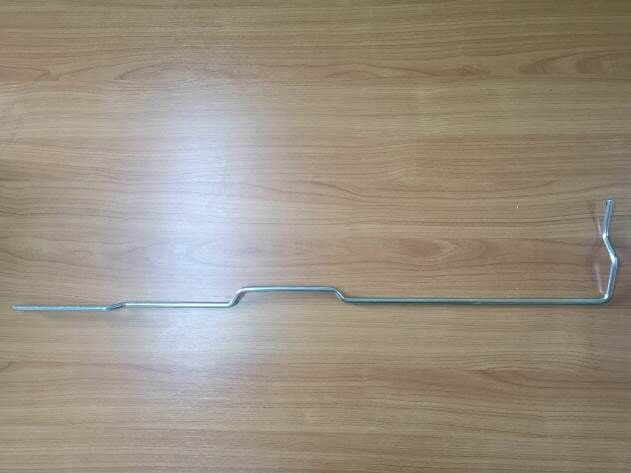 ZTS120
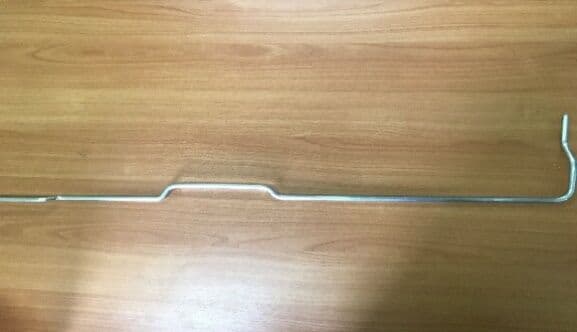 ZTS120
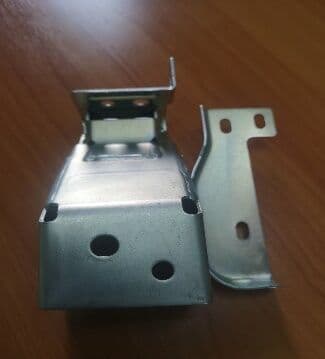 ZTY240
 ZTNP
05Lines that run it
Line A
AutomaticLine B
AutomaticLine C: Data pending
06Quality checks
- Five-point thickness on every lot with XRF and handheld gauges
- Salt spray corrosion testing for the hours the spec requires
- Heat quench test for adhesion and blistering
- Visual check: scratches, deformation, chemical stains, water marks, air pockets, blistering
- Functional test before storage
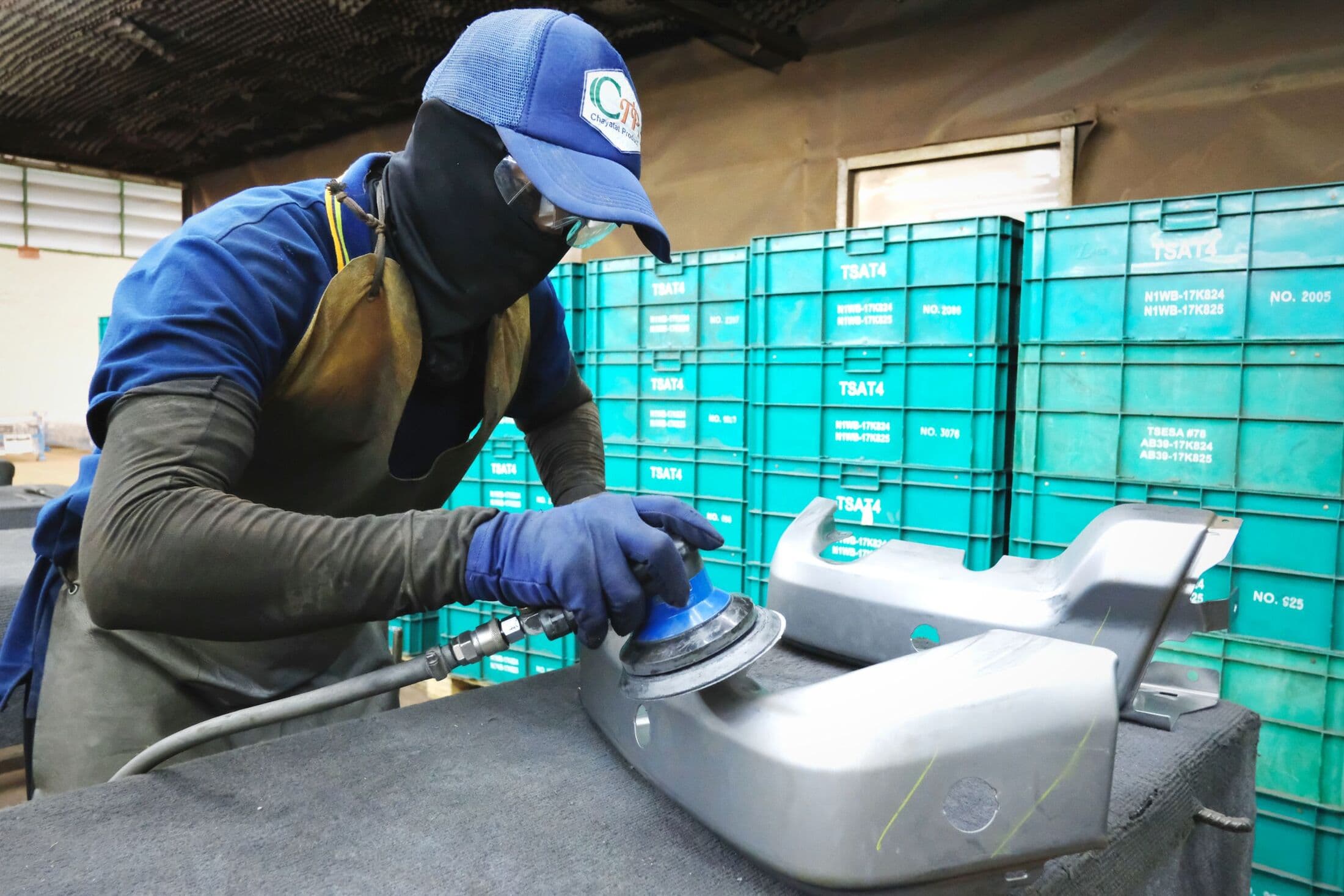
07Gallery
From our factory floor
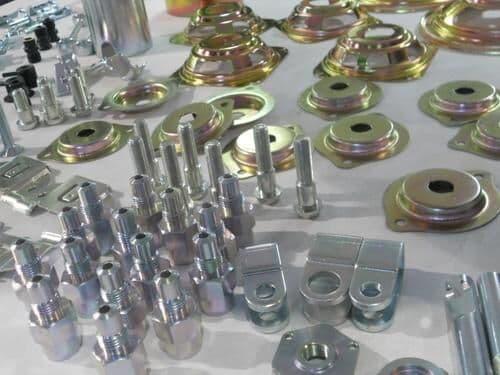 P-43 · interim
08FAQ
Zinc plating questions
Can’t find your answer? Send us your part spec and we’ll take a look.
How is zinc plating different from zinc-nickel?
Do you use hexavalent chromium (Cr⁶⁺)?
What is the largest part you can plate?
What coating thickness do you plate?
What is your lead time?
Start your plating project